
| Quick Answer A hand pump requires manual pumping and can produce inconsistent pressure. A CO2 tap uses inert gas to keep beer fresh for weeks but requires a tank and regulator setup. An electronic tap like the Kegr automates the air-pump process, delivering consistent pressure throughout your event without manual pumping or CO2 equipment. For same-day events, the Kegr is the most convenient option. For multi-day freshness, you need CO2. |
There are three main ways to tap a keg: a hand pump, a CO2 regulator system, or an electronic air tap. Each one works differently, costs differently, and fits a different situation.
How Each Type Works
Hand Pump (Party Pump)
A hand pump pushes regular atmospheric air into the keg by manual pumping. You pump before pouring and between rounds to maintain enough pressure to push beer through the tap line. It is the cheapest type of tap and the most widely available.
The drawbacks are inconsistent pressure and the need for someone to actively manage pumping throughout your event. Over-pump and you get foam. Under-pump and pours slow to a trickle.
CO2 Tap System
A CO2 system uses a pressurized tank of carbon dioxide connected to the keg via a regulator and hose. The regulator lets you set a precise pressure, typically 10 to 12 PSI for most beers. CO2 is chemically inert and does not react with beer, so the beer stays fresh and carbonated for weeks.
The tradeoff is setup complexity and cost. You need to buy or rent a CO2 tank, connect the hose and regulator correctly, dial in the right pressure, and refill the tank periodically. Refills run $15 to $35 at most homebrew or gas supply shops.
Electronic Air Tap (Kegr)
An electronic air tap like the Kegr works on the same principle as a hand pump but automates the process. A battery-powered internal pump monitors keg pressure and replenishes it automatically as beer is dispensed, so pours are consistent from start to finish without anyone having to pump.
Like a hand pump, the Kegr uses air rather than CO2. This means beer should be consumed the same day you tap the keg. The difference from a hand pump is convenience: no one has to manually pump between pours, pressure stays stable throughout the event, and the Bluetooth companion app lets you monitor keg status from your phone.
Side-by-Side Comparison
| Factor | Hand Pump | CO2 System | Kegr Electronic Tap |
| Upfront cost | $20 to $50 | $150 to $400+ | $199 |
| Ongoing cost | None | CO2 refills ($15-$35) | None |
| Setup time | 1 minute | 15 to 30 minutes | Under 5 minutes |
| Beer freshness | Same day | 30 to 90 days | Same day |
| Pressure management | Manual pumping | Manual (dial regulator) | Automatic |
| CO2 required | No | Yes | No |
| Portable | Yes | No (bulky tank) | Yes |
| App monitoring | No | No | Yes (Bluetooth) |
| Best for | Budget events | Permanent bar setup | Events and parties |
The Freshness Question
This is the most important distinction to understand. Both hand pumps and electronic air taps including the Kegr use air to pressurize the keg. Air contains oxygen, which begins oxidizing beer as soon as it enters the keg. Beer tapped with either an air pump or the Kegr should be consumed the same day for best quality.
CO2 is chemically inert and does not affect beer, which is why CO2 taps can keep beer fresh for weeks. If multi-day or multi-week freshness is what you need, CO2 is the right choice.
What the Kegr Does Better Than a Hand Pump
The Kegr and a hand pump produce the same freshness window, but the experience of using them is very different:
- No manual pumping required. The Kegr maintains pressure automatically throughout the event.
- Consistent pour quality. Pressure stays stable rather than fluctuating between pump strokes.
- Bluetooth monitoring. The companion app shows real-time pressure and keg level so you always know what is left.
- No designated pumper. At a busy event, no one has to be responsible for pumping before every round.
True Cost of Ownership Over One Year
If you tap 10 kegs over the course of a year:
- Hand pump: $30 to $50 one-time. Low cost but requires active management at every event.
- CO2 system: $200 to $400 upfront, plus $150 to $350 in CO2 refills over 10 kegs. Total: $350 to $750.
- Kegr: $199 one-time, rechargeable battery, no ongoing costs. Total: $199.
Who Should Use Each Type
Use a hand pump if:
- You are tapping a keg at a large party where the entire keg will be consumed and budget is your only priority
- You do not mind designating someone to manage pumping throughout the event
Use a CO2 system if:
- You have a kegerator and want to keep beer fresh for days or weeks
- You are comfortable managing tanks, regulators, and pressure settings
- Multi-day freshness is a requirement
Use the Kegr if:
- You want the convenience of automatic pressure without the cost and complexity of CO2 equipment
- You are tapping kegs for same-day events: parties, tailgates, backyard gatherings, weddings
- You want Bluetooth monitoring of your keg status
- You want a portable tap that is fast to set up and requires no ongoing costs
Frequently Asked Questions
Does the Kegr keep beer fresher than a hand pump?
No. Both the Kegr and a hand pump use air to pressurize the keg, so the freshness window is the same: plan to finish the keg the same day it is tapped. The Kegr’s advantage over a hand pump is convenience and consistency, not freshness duration.
Why does hand pump beer taste flat the next day?
Hand pumps introduce air into the keg with every pump. Air contains oxygen, which reacts with compounds in beer to cause oxidation, producing flat, stale, papery flavors within 12 to 24 hours. The same is true for any air-pump tap.
What PSI should a keg be set to?
Most domestic lagers and ales dispense best at 10 to 12 PSI at 36 to 40 degrees Fahrenheit. The Kegr manages pressure automatically so you do not need to set or monitor PSI manually.
Is the Kegr worth it over a hand pump?
If you regularly host events and want consistent pour quality without someone managing a pump all night, yes. At $199 with no ongoing costs, the Kegr pays for itself in convenience over a few events. If you tap kegs very rarely and budget is your primary concern, a hand pump is a functional alternative.
Can I use the Kegr with a kegerator?
The Kegr is designed as a standalone portable tap for event use, not as a kegerator replacement. A kegerator uses CO2 for long-term freshness. If you have a kegerator, use the CO2 system it is built around.
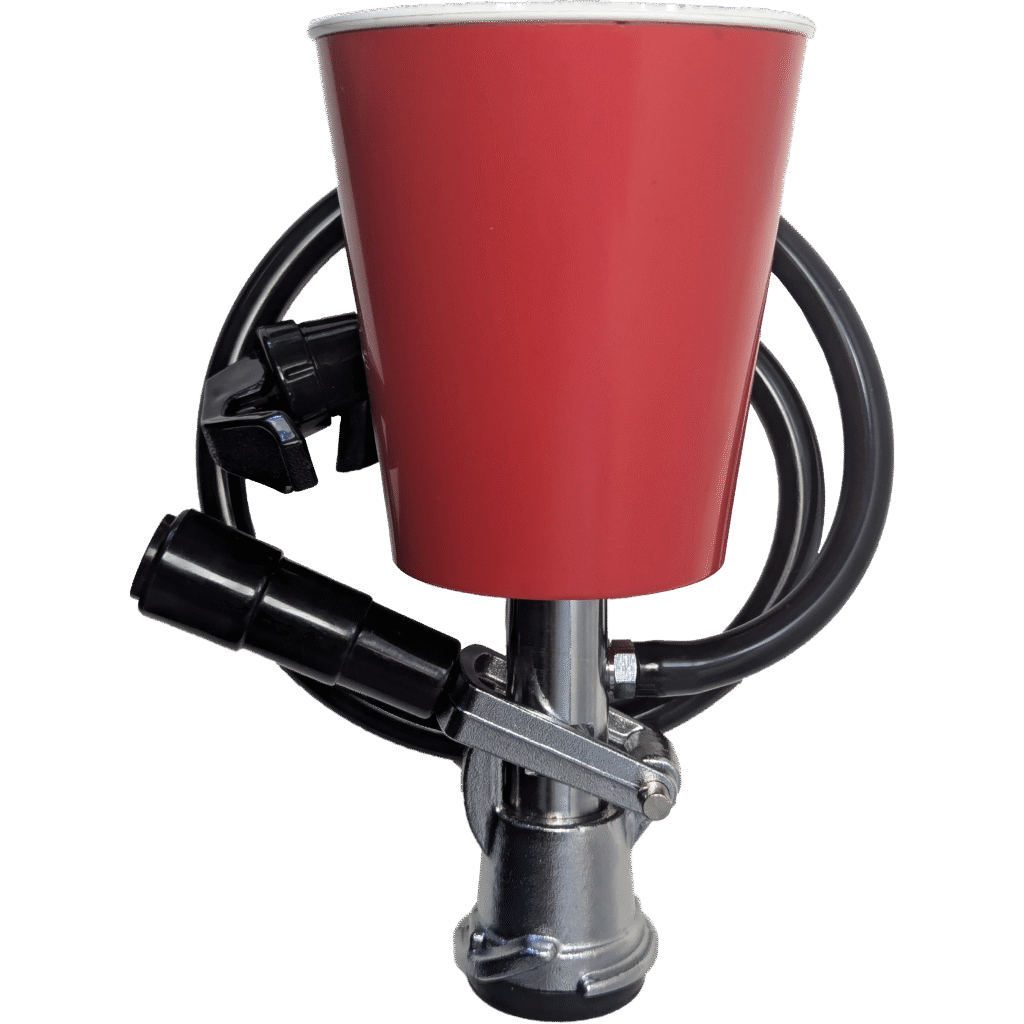
The Kegr — Electronic Keg Tap
Automatic pressure. No hand pumping. No CO2. Bluetooth app monitoring. Free shipping on all US orders.
$239.99$199.99 — Get the Kegr →