
| Quick Answer Yes, you can refrigerate a tapped keg, and it will slow the decline in freshness, but it will not stop it. Once a keg is tapped with any air-pump tap, oxygen exposure begins flattening carbonation and dulling flavor. Expect a noticeably flatter, less carbonated pour the next day even if the keg stayed cold the whole time, and a more significant drop by day three or four. |
The party winds down, there is still beer left in the keg, and the question comes up: can you just put the tapped keg in the fridge and finish it tomorrow? The honest answer is that you can, but it will not taste like it did the night before, and the reason comes down to oxygen. Understanding why helps you decide whether it is worth saving, how to slow the decline as much as possible, and how to tell if what is left is still worth drinking.
Why Tapped Beer Does Not Stay the Same
A sealed, untapped keg is pressurized with no air pocket, which is a big part of why it stays fresh for weeks. The moment a keg is tapped, whether with a hand pump, CO2, or an electronic air-pump tap like the Kegr, air enters the space above the beer as it is poured out. That air brings oxygen into contact with the beer, and oxygen is what gradually flattens carbonation and dulls flavor over time.
This process, oxidation, is the same basic chemistry that makes a cut apple turn brown or leftover wine taste dull after a day open. The beer is not spoiling in a food-safety sense, it is just reacting with oxygen in ways that change its taste, aroma, and carbonation level, generally for the worse.
Refrigerating a tapped keg slows this process the same way refrigeration slows most food and drink from spoiling, but it does not stop it, since the oxygen exposure already happened the moment the keg was tapped and continues with every additional pour.
What to Expect the Next Day
Beer from a keg that was tapped and refrigerated overnight is usually still drinkable, but expect less carbonation and a slightly flatter taste than the first pour. Beer near the top of the keg, which had the most oxygen contact, tends to lose more character than beer lower down, so the very last servings from a mostly finished keg often taste noticeably worse than the first pours from that same keg the next day.
| Time Since Tapping (Refrigerated) | What to Expect |
| Same day | Full carbonation and flavor |
| 1 day | Noticeable but modest decline |
| 2 to 3 days | Flat, dulled flavor, still generally drinkable |
| 4+ days | Significant quality loss |
Does Beer Style Change This Timeline?
Somewhat. Hop-forward styles like IPAs are more sensitive to oxidation than maltier or darker beers, since the aromatic hop compounds that define their flavor degrade faster when exposed to oxygen. A tapped IPA left overnight often shows a more noticeable decline than a tapped stout or amber ale over the same period, even under identical refrigeration.
How to Minimize the Loss
- Keep the keg as cold as possible the whole time, both during the party and afterward
- Keep the tap closed tightly between pours to limit additional air intake
- Avoid unnecessary extra pours just to check on it, since each pour introduces a bit more air
- Use an app that tracks keg level, like the one built into the Kegr, to see how much is actually left before deciding whether it is worth saving
Portioning Leftovers Into Something More Practical
If there is a meaningful amount left, a quarter of a keg or more, it is sometimes worth transferring what you plan to drink over the next day into a growler or a few sealed pitchers rather than leaving the whole keg tapped and sitting. This will not stop oxidation entirely, since the beer is still exposed to air during the transfer, but it reduces the surface area exposed inside the mostly-empty keg going forward and makes it easier to grab a portion without repeatedly opening the tap.
Why This Is Different From a CO2 Kegerator
This entire freshness problem is specific to air-pump tapping, whether that is a hand pump or an electronic tap like the Kegr. A kegerator works differently: it uses a CO2 tank to both push beer through the line and maintain pressure inside the keg with a gas that does not cause oxidation the way ordinary air does. That is the whole reason a kegerator can keep a keg drinkable for weeks after tapping, while an air-pump tapped keg needs to be finished in a day or two.
If you find yourself regularly wanting to stretch a keg across multiple days rather than finishing it the day it is tapped, that is a sign a CO2 system or kegerator setup, not a different air-pump tap, is the tool that actually solves the problem. See our comparison of kegerators versus keg tubs for more on when that upgrade makes sense.
Common Myths About Saving Tapped Beer
A few pieces of party folklore about tapped kegs are worth clearing up, since they tend to lead people toward decisions that do not actually help.
- Myth: sealing the tap tightly stops oxidation entirely. Closing the tap between pours does slow further air intake, but the oxygen already inside the keg from earlier pours continues reacting with the beer regardless.
- Myth: a colder fridge setting preserves beer indefinitely. Colder temperatures slow oxidation but do not stop it. There is no home refrigerator setting that keeps tapped beer fresh for a week.
- Myth: shaking or moving the keg less means it stays fresher. Physical agitation affects foaming and how settled the beer is, not the oxidation process itself, so a keg left perfectly still still goes flat at roughly the same rate as one that gets moved occasionally.
- Myth: adding more pressure back into the keg refreshes flat beer. Repressurizing can restore some fizz to a pour temporarily, but it does not reverse the flavor changes that oxidation has already caused.
Comparing Fridge Storage to a Dedicated Insulated Cooler
If a full-size refrigerator is not available, some hosts move a tapped keg into an insulated keg cooler with fresh ice rather than trying to find fridge space. This achieves a similar practical result to refrigeration, cold storage that slows the decline without stopping it, and can actually be easier logistically for a half-barrel that will not fit in a standard kitchen fridge to begin with. The same rules apply either way: colder is better, and same-day consumption remains the target regardless of which cold storage method you use.
A Realistic Scenario
Consider a backyard party where a half-barrel was tapped for 60 guests, but only about 100 servings were poured over the course of the night, leaving roughly a third of the keg, somewhere around 55 servings, untouched. Refrigerating that leftover overnight and finishing it the next day at a smaller, more casual gathering is a completely reasonable plan, and most people will not notice a dramatic difference in a single day. Trying to stretch that same leftover across a full week of casual weeknight drinks is where the math stops working, since by day four or five the beer has usually declined enough that it no longer resembles what was poured on party night.
The more useful mental model is thinking in terms of a rough deadline rather than an open-ended window. Treat the day after tapping as the last day for a pour that closely matches the original, treat two to three days out as still fine for casual drinking with lowered expectations, and treat anything beyond that as a coin flip that depends heavily on how consistently the keg was kept cold in the meantime.
Why This Trips People Up
The confusion around this topic usually comes from comparing a tapped keg to a bottle or can in the fridge, which behaves very differently. An unopened bottle or can is still sealed, so refrigerating it genuinely does pause the clock in a meaningful way until it is opened. A tapped keg is already an open container in the sense that matters here, air has already gotten in, which is why the comparison people naturally reach for does not actually apply. Once you think of a tapped keg less like a sealed drink in the fridge and more like a bottle of wine that has already been uncorked, the expected timeline makes a lot more sense.
This is also why the same-day recommendation shows up so consistently across every guide on this site, whether the topic is a wedding reception, a tailgate, or a backyard party. It is not overly cautious advice, it is simply how air-pump tapped beer behaves, and planning your keg size around finishing it the same day avoids the entire question of how to store leftovers in the first place.
How to Tell If It Is Still Worth Drinking
| A simple taste check. Pour a small test cup before committing to a full round. If the beer smells noticeably different than it did fresh, cardboard-like or overly sweet notes are common signs of oxidation, or if it pours almost completely flat with no head at all, it has likely declined past the point of being enjoyable, even though it remains safe to drink from a food-safety standpoint. When in doubt, trust your nose over your eyes, since a subtle off-smell is usually a more reliable early indicator than appearance alone. |
Frequently Asked Questions
How long is a tapped keg good for in the fridge?
Most tapped kegs are still reasonably drinkable for two to three days if kept cold the entire time, though flavor and carbonation noticeably decline each additional day. For the best taste, finish a tapped keg the same day it was opened.
Does refrigerating a tapped keg stop it from going flat?
No, refrigeration only slows the process. Oxygen exposure from tapping is what causes beer to go flat and lose flavor, and cold temperature reduces how quickly that happens but does not prevent it.
Is it safe to drink beer from a keg tapped two days ago?
Generally yes from a safety standpoint if it has been kept refrigerated, though the taste and carbonation will be noticeably worse than fresh. It is a quality issue more than a safety one.
Does the type of tap affect how fast a tapped keg goes flat?
Not meaningfully. Whether you use a hand pump, CO2, or an electronic air-pump tap like the Kegr, oxygen exposure begins the moment the keg is tapped. The rate of decline afterward comes down mostly to temperature and how much air has entered, not which tap was used.
Why does beer near the top of the keg taste worse than beer near the bottom?
The beer closest to the top of the remaining liquid has the most direct contact with the air pocket that builds up as the keg empties, so it oxidizes faster than beer lower down that has had less exposure.
Can you transfer leftover keg beer into bottles to save it?
You can, though it will not fully stop oxidation since the beer is exposed to air during the transfer itself. It can still make leftovers easier to manage and slightly limit further exposure compared to leaving a mostly empty keg tapped and sitting.
Do all beer styles go flat at the same rate after tapping?
No. Hop-forward styles like IPAs tend to decline faster after tapping than maltier or darker beers, since the hop compounds responsible for their aroma and flavor are more sensitive to oxidation.
How can I tell if leftover keg beer has gone bad?
Look for a noticeably different smell, often described as cardboard-like or overly sweet, and a pour with little to no head or carbonation. These are signs of oxidation rather than spoilage, meaning the beer is generally still safe but past its best quality.
Why does a kegerator keep beer fresh for weeks but an air-pump tap does not?
A kegerator uses CO2 rather than ordinary air to maintain pressure and push beer through the line. CO2 does not cause the oxidation that flattens flavor and carbonation the way the oxygen in regular air does, which is the entire reason CO2 systems can keep a tapped keg fresh far longer than any air-pump tap, hand pump or electronic.
Is it worth buying a kegerator just to stretch a keg over several days?
If you regularly find yourself wanting to finish a keg over a week rather than a single event, a kegerator or CO2 system is the more direct fix than any air-pump tap, since it addresses the actual cause of the freshness limit rather than working around it.
Does closing the tap tightly between pours actually help preserve a tapped keg?
It helps somewhat by limiting additional air intake, but it does not stop oxidation from the air already inside the keg from earlier pours. It is a reasonable habit but not a substitute for finishing the keg promptly.
Does repressurizing a flat tapped keg bring back the original flavor?
No. Repressurizing can restore some carbonation to a pour, but it does not reverse the flavor changes that have already occurred from oxidation. Once the flavor has declined, adding pressure back does not undo that.
Can I store a tapped keg in an insulated cooler instead of a refrigerator?
Yes, a tapped keg packed in fresh ice inside an insulated cooler achieves a similar cold-storage effect to refrigeration, which can be more practical for a half-barrel that will not fit in a standard kitchen fridge.
Why does a tapped keg behave differently than a sealed bottle in the fridge?
An unopened bottle or can is still sealed, so refrigeration genuinely pauses most of the aging process until it is opened. A tapped keg has already let air in, so it is more comparable to an already-opened bottle of wine than to a sealed one, which is why it does not keep the same way.
Does the amount of beer left in the keg affect how fast it goes flat?
Yes, indirectly. A keg with more beer left has proportionally less air space inside relative to the liquid, while a nearly empty keg has a larger air pocket relative to what remains, which tends to mean the last servings from an almost-finished keg decline faster than the first servings from a mostly-full one under the same storage conditions.
Is there a way to slow oxidation more than just refrigeration?
Not in any practical way for a home setup. Commercial breweries use specialized purging and packaging equipment to limit oxygen contact during production, but there is no simple home method beyond keeping the keg cold, keeping the tap closed between pours, and minimizing how many times it gets opened. The most reliable fix remains finishing the keg promptly.
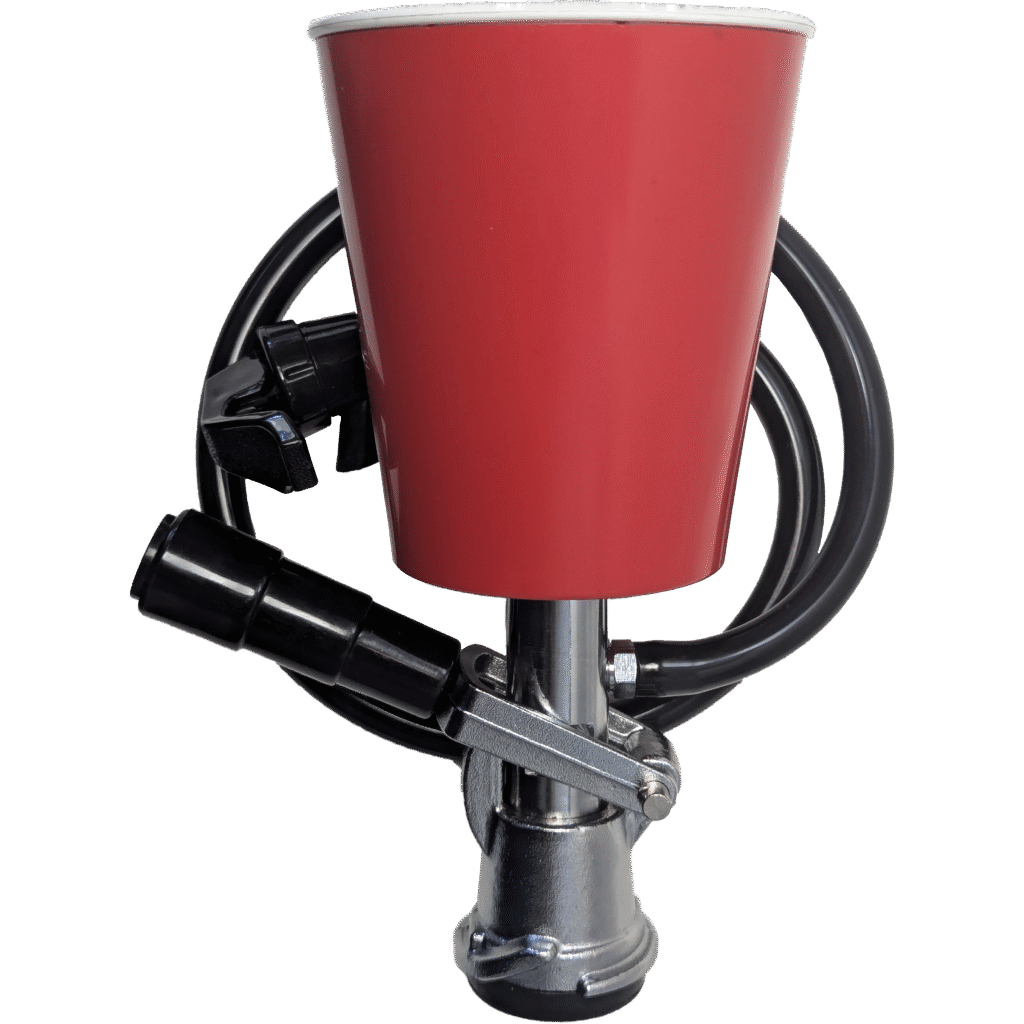
The Kegr — Electronic Keg Tap
Automatic pressure. No hand pumping. No CO2. Bluetooth app monitoring. Free shipping on all US orders.
$239.99$199.99 — Get the Kegr →