
| Quick Answer No, you do not need CO2 to tap a keg. A hand pump uses air, and an electronic tap like the Kegr uses a battery-powered pump that also uses air. The tradeoff is freshness: CO2 is an inert gas that keeps beer fresh for weeks because it does not react with beer. Air contains oxygen, which causes beer to oxidize and go flat, so kegs tapped without CO2 should be finished the same day. No CO2 means simpler setup and no tank costs, but it also means same-day consumption. |
CO2 has become the standard for draft beer systems, so a lot of people assume it is a requirement. It is not. What you need is pressure inside the keg to push beer out through the tap as it is dispensed. CO2 provides that pressure. So does air. The difference between the two is what happens to the beer over time.
What CO2 Actually Does in a Keg System
When a keg is filled at a brewery, it is sealed under CO2 pressure. That pressure keeps the beer carbonated and ready to pour. As beer is dispensed, pressure inside the keg drops. A CO2 system replenishes that pressure by feeding carbon dioxide from a tank through a regulator into the keg.
The key property of CO2 is that it is chemically inert. It does not react with beer, so the beer stays in essentially the same environment it left the brewery in. A properly set up CO2 system on a refrigerated keg can keep beer fresh and carbonated for 30 to 90 days.
Setting up a CO2 system takes some effort. You need a pressurized tank, a regulator to control how much gas enters the keg, and hose connections that have to be fitted and checked for leaks. CO2 tanks also need periodic refilling, which costs $15 to $35 at most homebrew or gas supply shops.
How Air-Pump Taps Work (Hand Pump and the Kegr)
Both traditional hand pumps and the Kegr use air rather than CO2 to replace the volume of beer as it is dispensed. A hand pump does this manually: you pump a handle to push air into the keg before and between pours. The Kegr does this automatically: a battery-powered internal pump monitors keg pressure and replenishes it without any manual pumping required.
In both cases, what enters the keg is regular atmospheric air. Air is roughly 21 percent oxygen. Oxygen reacts with compounds in beer and causes oxidation, which produces flat, stale, papery flavors. This process begins as soon as air enters the keg and cannot be reversed. Beer tapped with any air-pump tap should be consumed the same day for best quality.
| Same-day is the rule for air-pump taps. Whether you use a manual hand pump or the Kegr, plan to finish your keg the day you tap it. If you have guests who may not finish the keg, a smaller keg size is a better choice than having leftover beer that has been sitting overnight. |
What the Kegr Does Better Than a Hand Pump
The Kegr and a hand pump produce the same freshness window because they both use air. The difference is the experience of using them at an event.
- No manual pumping. The Kegr’s internal pump maintains pressure automatically throughout your event. Nobody has to pump between pours.
- Consistent pressure. Hand pumps produce pressure that fluctuates with every round of pumping. Over-pump and you get foam. Under-pump and pours slow down. The Kegr keeps pressure stable pour after pour.
- Bluetooth monitoring. The Kegr companion app shows real-time keg pressure and remaining volume so you know what you have left without guessing.
- No CO2 costs. No tank to buy or refill. Charge the Kegr before the event, use it, recharge it afterward.
CO2 vs Air-Pump: Which Is Right for You?
| Factor | CO2 System | Hand Pump | Kegr Electronic Tap |
| Setup time | 15 to 30 minutes | 1 minute | Under 5 minutes |
| Equipment | Tank, regulator, hose | Just the pump | Just the Kegr |
| Upfront cost | $150 to $400+ | $20 to $50 | $199 |
| Ongoing cost | $15 to $35 per refill | None | None |
| Pressure management | Manual dial | Manual pumping | Automatic |
| Beer freshness | 30 to 90 days | Same day | Same day |
| Portable | No (bulky tank) | Yes | Yes |
| App monitoring | No | No | Yes |
When CO2 Is Still the Right Choice
If any of these apply to you, a CO2 system is worth the setup:
- You have a kegerator and want to keep beer on tap for days or weeks at a time
- You are running multiple tap lines from a single keg system and need consistent pressure across all of them
- You are serving nitrogen-infused beers like nitro stouts or nitro cold brew, which require a nitrogen or mixed-gas system rather than CO2
For parties, tailgates, backyard events, and any situation where the keg gets finished the same day, an air-pump tap is a simpler and more affordable solution. The Kegr makes that experience as convenient as possible without any of the CO2 equipment overhead.
The Bottom Line
You do not need CO2 to tap a keg. What you gain from CO2 is multi-day or multi-week beer freshness. What you gain from skipping CO2 is simpler setup, lower cost, and a tap that goes wherever you go. If your event finishes the keg the same day, CO2 is an expense and a complication you do not need.
Frequently Asked Questions
Does the Kegr keep beer fresh longer than a hand pump?
No. Both the Kegr and a hand pump use air to pressurize the keg, so the freshness window is the same: best consumed the same day. The Kegr’s advantage over a hand pump is convenience, not beer longevity. Automatic pressure, consistent pours, and Bluetooth monitoring are what set it apart.
What happens to beer if you tap it without CO2?
Air enters the keg as beer is dispensed. The oxygen in that air causes the beer to oxidize, which makes it go flat and develop stale, papery flavors over time. This is why any keg tapped with an air-pump tap should be finished the same day for the best drinking experience.
Is CO2 dangerous to store at home?
CO2 tanks are safe when stored upright in a ventilated area away from heat. However, CO2 is an asphyxiant, meaning it displaces oxygen in enclosed spaces. A leaking tank in a sealed basement or small room can be hazardous. This is one practical reason some people prefer air-pump taps that require no gas storage at all.
How much does a CO2 setup cost?
A basic CO2 keg tap kit with a 5-pound CO2 tank and regulator costs $100 to $250. Higher-end setups with larger tanks and dual-gauge regulators can cost $300 to $500. Refills cost $15 to $35 per tank at most homebrew or gas supply shops.
What is the Kegr and where can I buy it?
The Kegr is an electronic keg tap that automates air pressure management so you never have to manually pump a keg at an event. It is available at thekegr.com for $199 and works with any standard Sankey D coupler keg.
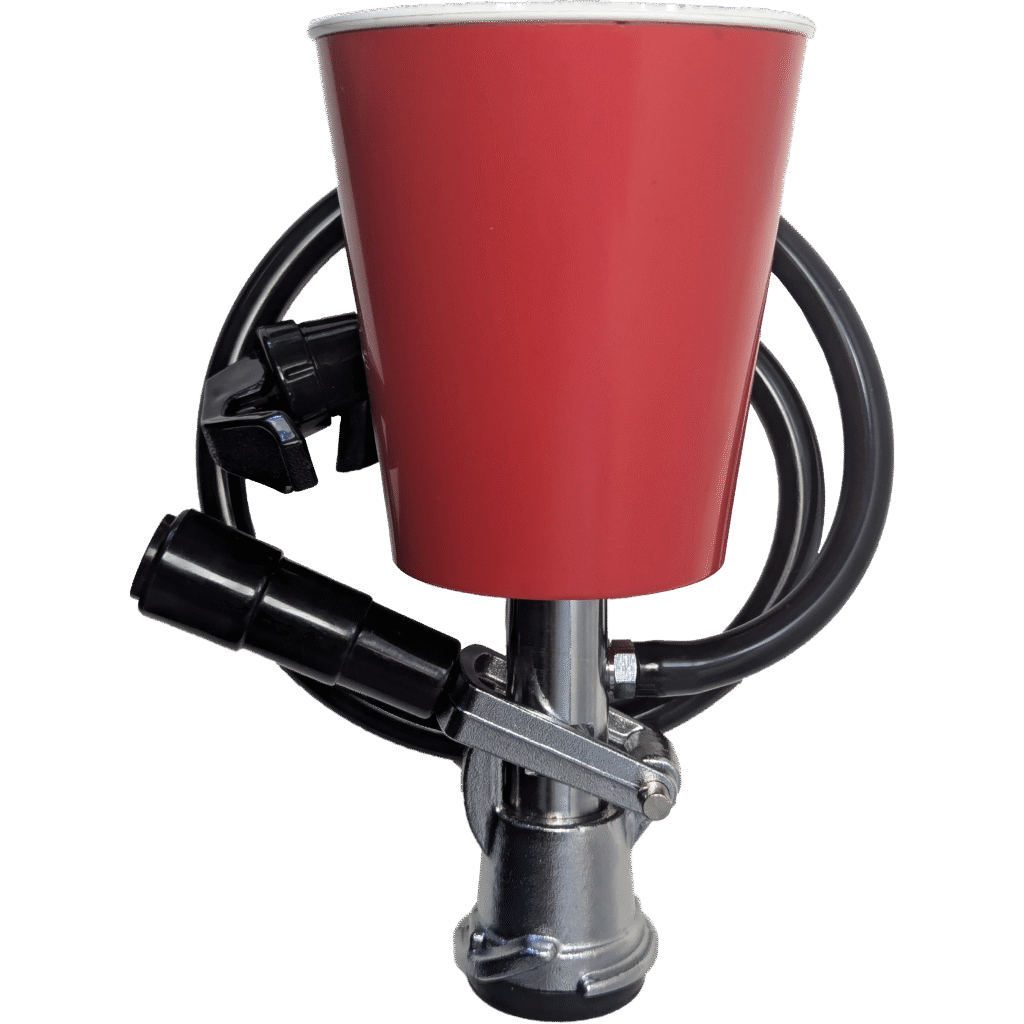
The Kegr — Electronic Keg Tap
Automatic pressure. No hand pumping. No CO2. Bluetooth app monitoring. Free shipping on all US orders.
$239.99$199.99 — Get the Kegr →